



Introduction
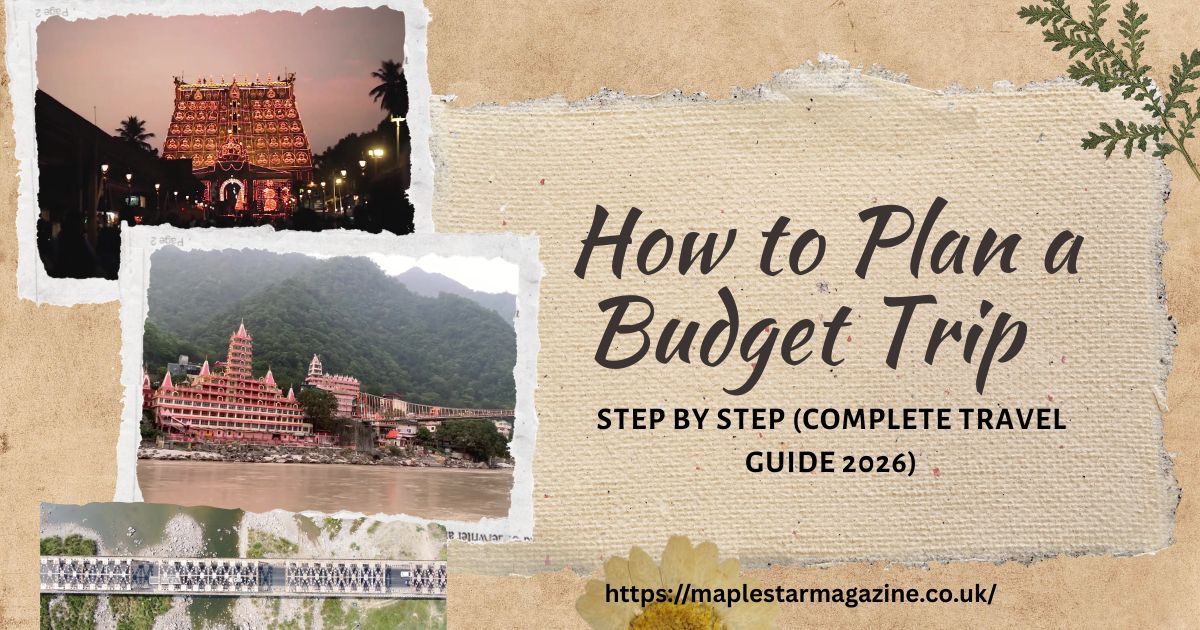
Traveling is something most people want to do, but many delay it because they assume it requires a big budget. In reality, travel is not about how much money you have; it is about how smartly you plan it.
A well-planned budget trip allows you to explore new places, enjoy experiences, and still keep your finances under control. The goal is not to reduce enjoyment, but to avoid unnecessary spending.
Let’s go step by step and understand how you can plan a complete budget-friendly trip in 2026.
Step 1: Decide Your Travel Goal and Destination
Before anything else, you need clarity on why you are traveling.
Some people travel to relax, some to explore culture, and some just to take a break from routine life. Your purpose will directly influence your destination and budget.
For example, a beach destination might be cheaper in some countries but expensive in others. Similarly, big tourist cities usually cost more compared to less crowded locations.
When choosing a destination, think about:
- Total travel distance and transport cost
- Average daily cost in that location
- Safety and accessibility
- Seasonal weather conditions
A smart choice at this stage can save you a lot of money later.
Step 2: Set a Clear Travel Budget
Once your destination is fixed, the next step is understanding how much you can realistically spend.
Your budget should not be random; it should be divided into clear sections:
- Transportation (flights, buses, trains)
- Accommodation (hotel or stay options)
- Food and drinks
- Local transport
- Activities and sightseeing
- Emergency buffer
Many beginners only plan for flights and hotels, but forget about daily expenses. These small costs slowly build up and often exceed expectations.
A proper budget gives you control and helps you make better decisions during the trip instead of overspending emotionally.
Step 3: Choose the Right Time to Travel
Timing can completely change your travel cost.
If you travel during peak seasons, prices increase dramatically. Flights, hotels, and even food services become more expensive because demand is high.
On the other hand, off-season travel is usually much cheaper and less crowded.
To save money:
- Avoid public holidays and school vacation periods
- Look for flexible date options
- Compare prices across different days of the week
- Travel mid-week instead of weekends when possible
Even changing your travel dates by a few days can reduce costs significantly.
Step 4: Book Flights and Transport Smartly
Transportation is often the biggest expense in any trip, so this step needs attention.
Instead of booking quickly, take time to compare options.
Practical tips:
- Book flights early before prices increase
- Use multiple comparison websites
- Set price alerts if possible
- Be flexible with departure times
Budget airlines can help reduce costs, but always check hidden charges like baggage fees.
Also, once you reach your destination, don’t rely only on taxis. Local transport like buses, metro, or shared rides is usually much cheaper and gives a more authentic travel experience.
Step 5: Find Budget-Friendly Accommodation
Accommodation does not need to be expensive to be comfortable.
There are many affordable options today:
- Budget hotels
- Hostels for solo travelers
- Guesthouses
- Short-term rentals or shared stays
When choosing where to stay, location matters more than luxury. A slightly cheaper place far from the city center may end up costing more in transport.
Always check:
- Reviews from other travelers
- Cleanliness and safety
- Distance from main attractions
- Basic facilities like Wi-Fi and hot water
A smart stay choice can save both money and time.
Step 6: Plan Your Daily Expenses
Daily spending is where most travelers lose control without realizing it.
Food, small transport, tickets, and snacks add up quickly.
To stay within budget:
- Set a daily spending limit
- Prefer local food instead of expensive restaurants
- Track your expenses daily
- Avoid unnecessary shopping during the trip
Even small discipline in daily spending can make a big difference by the end of your journey.
Step 7: Pack Smart and Light
Packing is not just about clothes — it directly affects your comfort and cost.
Overpacking often leads to:
- Extra baggage fees
- Difficulty moving around
- Unnecessary stress
Instead, pack only what you truly need.
Focus on:
- Comfortable and weather-appropriate clothes
- Essential toiletries
- Travel documents and IDs
- Chargers, power bank, and basics
- A small first-aid kit
Light packing makes your travel smoother and more flexible.
Step 8: Look for Free or Low-Cost Activities
A good trip is not defined by expensive activities.
In fact, many of the best travel memories come from simple, free experiences.
You can explore:
- Local markets and streets
- Natural spots like beaches, parks, or mountains
- Free walking tours
- Cultural events or festivals
Instead of focusing only on paid attractions, try to experience local life. It is often more meaningful and memorable.
Step 9: Keep an Emergency Budget
No matter how well you plan, unexpected situations can happen during travel.
That’s why an emergency fund is important.
This can cover:
- Medical needs
- Transport delays or changes
- Unexpected hotel extensions
- Small urgent expenses
Even a small backup amount gives peace of mind and prevents stress during your trip.
Step 10: Stay Flexible During the Trip
Flexibility is one of the most important parts of smart travel.
Things don’t always go exactly as planned. Prices change, weather shifts, or schedules get delayed.
Instead of stressing, adjust your plan calmly.
Being flexible allows you to:
- Take better last-minute deals
- Avoid unnecessary stress
- Enjoy unexpected experiences
- Save money in some situations
A good traveler is not the one who follows the perfect plan — but the one who adapts easily.
Final Thoughts
Planning a budget trip is not about restricting yourself — it is about making smarter choices.
When you plan your destination, timing, budget, and daily expenses carefully, even a small amount of money can create a meaningful travel experience.
In 2026, smart travel is about awareness and balance. Spend wisely, plan properly, and focus on experiences instead of expenses.
A well-planned budget trip often gives more satisfaction than an expensive unplanned one.

The Maple Star Magazine editorial team is responsible for the accuracy, structure, and publishing standards that every article on this site is held to. This includes verifying sources before publication, maintaining consistency across our Travel, Technology, Lifestyle and revisiting published guides as facts, pricing, or industry standards change. Content published under this byline reflects collaborative editorial work rather than a single author's individual reporting.